
LinkedIn was once the digital home of professional networking—a platform where decision-makers exchanged ideas, debated industry trends, and built careers on equal footing.
Today, many feeds feel more like a blend of motivational seminar, self-congratulation, and algorithm-amplified noise. Certificates from weekend workshops are celebrated like academic degrees, banal life lessons attract thousands of likes, and every second post seems to begin with “I’m incredibly grateful for…”
This raises a provocative question: should CEOs even be on LinkedIn anymore? Or, put differently: has the platform become so “Facebook-ised” that strategic leaders now risk losing relevance rather than building it?
The honest answer is this: LinkedIn has changed — but thought leadership has not disappeared. It has simply become more demanding.
In the past, being present was enough. Today, presence alone no longer suffices. Visibility without substance is interchangeable. And therein lies the opportunity for CEOs who are prepared to use LinkedIn not as a stage for self-promotion, but as a strategic communication channel. Because while the feed has grown louder, genuine direction has become scarcer. And markets follow those who provide clarity. The real issue is not that LinkedIn has “degenerated”. The issue is that many leaders are copying the platform’s behaviour instead of consciously rising above it. They post like influencers but think like managers. They collect likes rather than build trust. They react to trends instead of shaping conversations.
Thought leadership is not created through frequency. It is created through conviction.
CEOs who want to make an impact on LinkedIn today must accept that they are no longer competing for attention — they are competing for relevance. Attention has become cheap. Relevance is rare.
4 points that are important for executives on LinkedIn:
- LinkedIn is not a success diary. Leaders who merely share milestones, awards, and internal achievements quickly resemble a corporate PR feed in human form. This may be motivating for employees — but for markets, investors, and fellow decision-makers, it is largely uninteresting. True thought leaders do not talk about themselves. They talk about what is changing. They interpret developments. They frame what is happening now. They name tensions, uncertainties, and strategic dilemmas. They demonstrate not only that they are successful, but that they understand why the rules of the game are shifting.
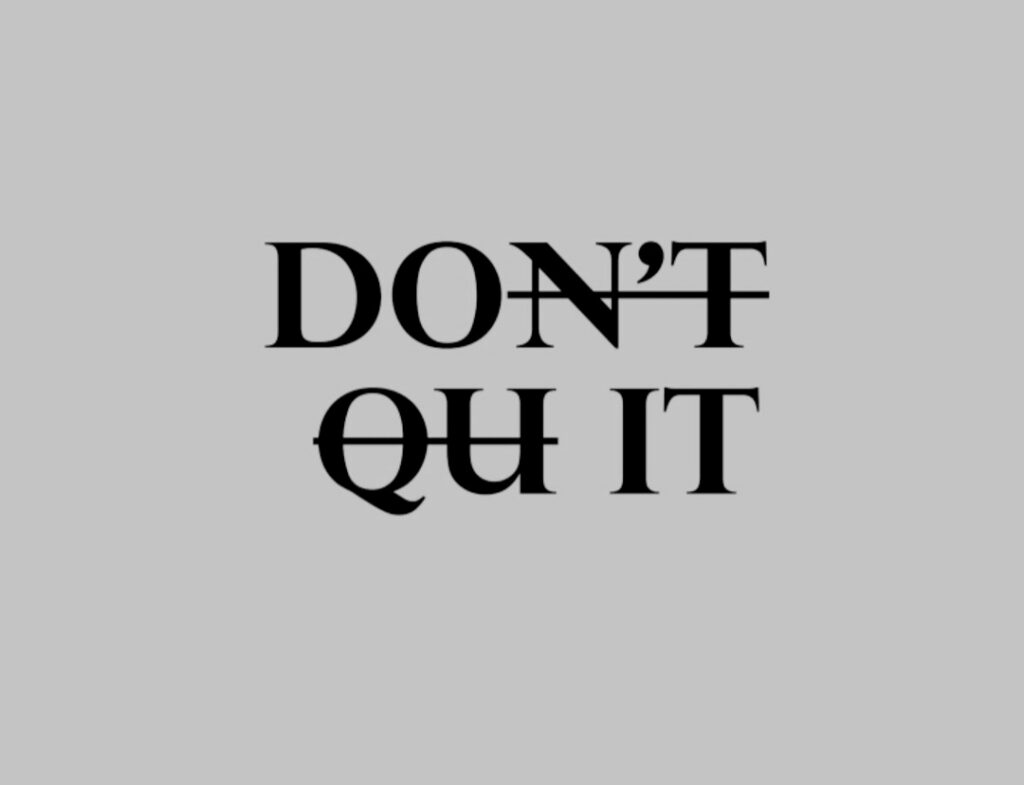
- Opinion beats motivation. LinkedIn is saturated with feel-good messages, perseverance slogans, and calendar-quote wisdom. What is missing are informed perspectives on digital transformation, talent shortages, geopolitical risk, artificial intelligence, new business models, and cultural change. CEOs can — and should — take a stand. Executive activism is increasingly expected. Not polemical, but clear. Not populist, but precise. Those who try to please everyone will disappear into the noise. Those who challenge assumptions, offer new angles, and raise uncomfortable questions will be read, saved, shared — and respected.
- ‘Personal’ does not mean ‘private’. A common misconception is that reach only comes from personal storytelling. Yes, people follow people. But CEOs do not need to share their breakfast or marathon times to appear human. Communication becomes personal when it reveals how leaders think. Why was a strategic decision made? Which assumption proved wrong? What did a failed initiative teach the organisation? Which leadership tensions are currently top of mind? This level of openness builds credibility without sacrificing professionalism.
- Say more by posting less. Many CEOs post too frequently — and say too little. The algorithm may reward volume; trust does not. One thoughtful, substantial post per week creates more impact than daily fragments. Decision-makers read selectively. They remember clarity, not quantity. Which brings us back to the core question: should CEOs still be on LinkedIn? If the platform is used merely as a stage for ego branding, reach optimisation, and symbolic visibility, then no. It becomes a distraction and ultimately weakens positioning.
But if LinkedIn is understood as a strategic medium for interpreting market shifts, demonstrating leadership, and shaping discourse, then it is more relevant today than ever.
Because that is where customers seek orientation.
Where talent evaluates leadership.
Where investors observe conviction.
Where partners identify strategic thinkers.
And like any public arena, LinkedIn grows louder, messier, and more superficial when those with substance withdraw. The decline does not happen because too many people — and now AI agents — are posting. It happens when the wrong content dominates.
10 LinkedIn topics for CEOs, helping them to differentiate on LinkedIn:
-
Vision & the Future of the Industry
-
Strategic Decision-Making in Uncertainty
-
Building High-Performance Teams & Culture
-
AI, Automation & Modern Leadership
-
Customer-Centric Growth Insights
-
Scaling a Company Behind the Scenes
-
Ethical & Responsible Leadership
-
Personal Growth as a CEO
-
Strategy Made Simple
-
Resilience in Challenging Times
CEOs therefore face a choice: retreat and leave the narrative to algorithms and self-promoters—or consciously use their voices to restore depth, direction, and quality.